0117 944 4419
0117 944 4419
Building Owners & Developers
Early expert advice can highlight potential obstacles, help to optimise development potential, and influence cost and programme.
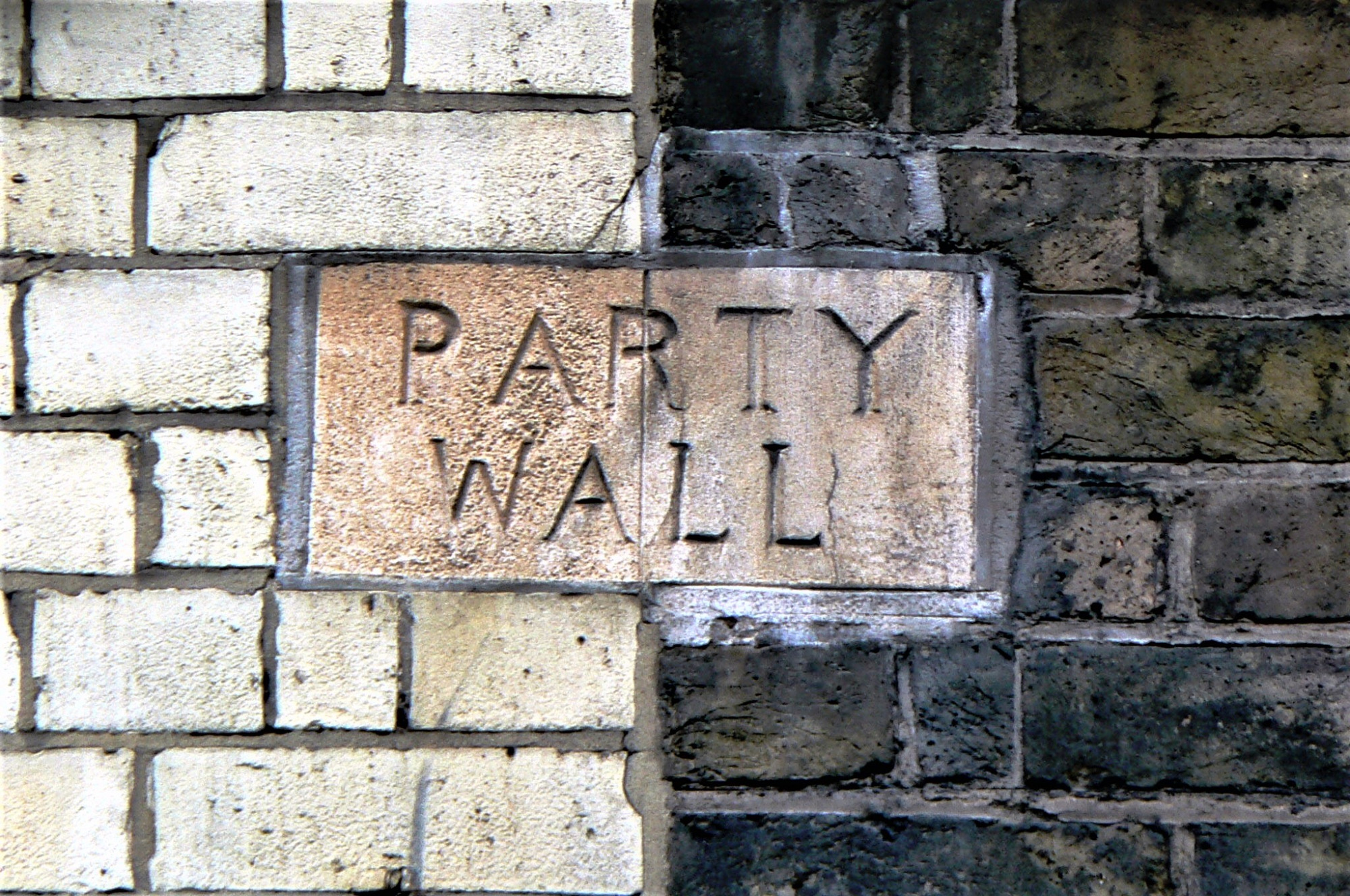
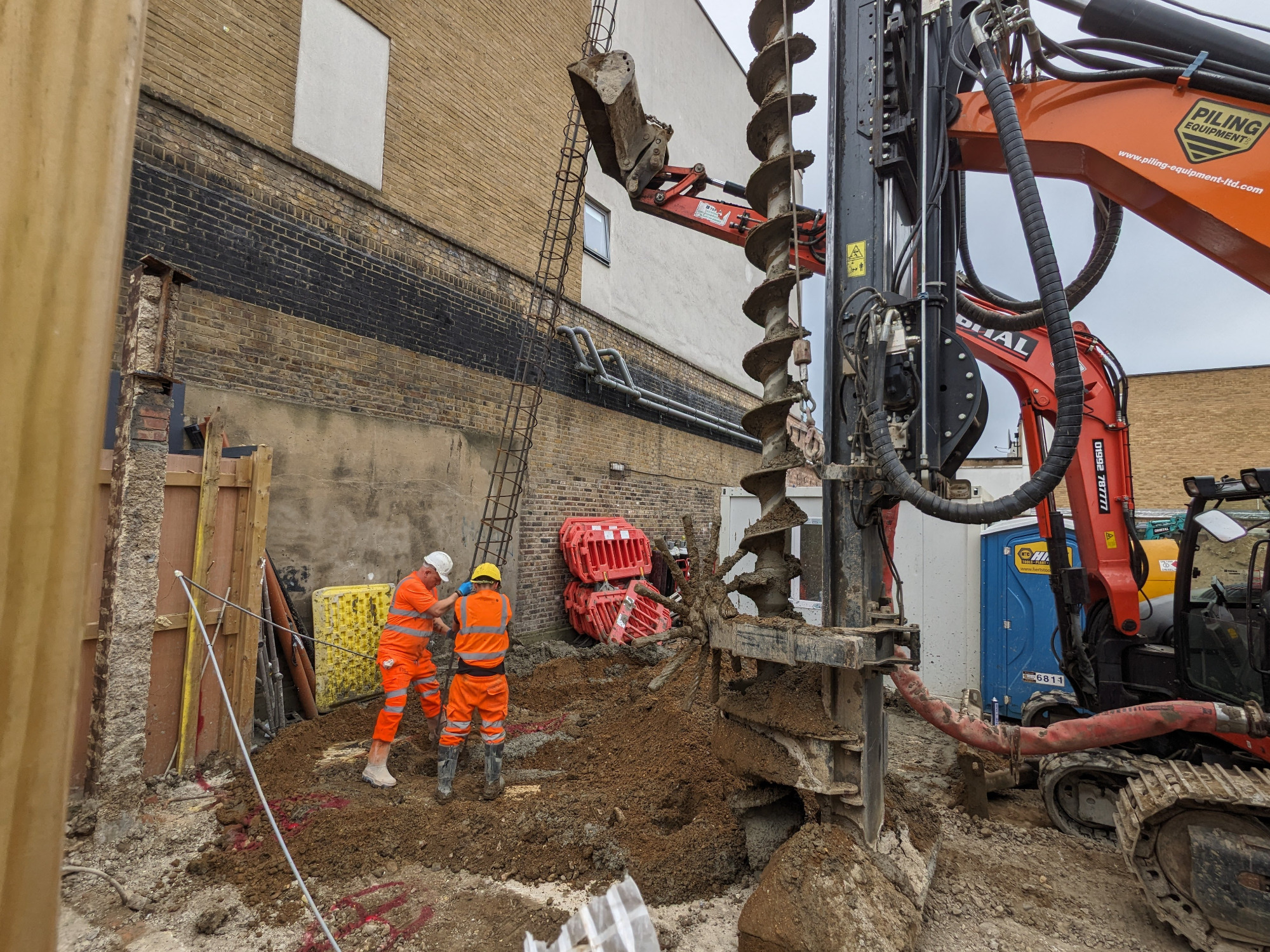
If you are planning building works in England and Wales, you must comply with the Party Wall etc. Act 1996. It is a legal requirement for a Building Owner to serve notice on an Adjoining Owner before carrying out works to which the Act relates. This includes building on the line of junction (the property boundary on the ground), works to existing party structures, and certain excavation and construction works below ground. The statutory notice periods are either one or two months depending on the type of work.
Naturally, you will be responsible for any damage to the Adjoining Owner’s or adjoining occupier’s property arising from your works.
In certain circumstances, an Adjoining Owner may serve a counter‑notice on the Building Owner requiring additional works to be carried out for their benefit.
The Act also allows Adjoining Owners to serve notice requiring security for expenses from the Building Owner before the works commence. This is typically to cover the potential cost of reinstatement should the works not be completed for any reason. In certain circumstances, the Building Owner may also request security from the Adjoining Owner.
If the Adjoining Owner dissents to the proposals contained in your notice, this gives rise to a dispute under the Act. If the Adjoining Owner fails to respond positively within 14 days of service, a dispute is deemed to have arisen (except in the case of works under s.1). Where a dispute arises or is deemed to have arisen, it must be resolved by surveyors in accordance with s.10 of the Act. The parties must either concur in the appointment of a single ‘agreed surveyor’ or each appoint their own surveyor to resolve the dispute by way of an Award.
Surveyors are appointed under the Act in a personal capacity and must be independent of the parties. The role is sui generis (unique) and quasi-judicial / quasi-arbitral in nature and their jurisdiction is limited to resolving the dispute between the parties. They cannot delegate their statutory functions or decision-making and their appointments cannot be rescinded by either party.
Where two surveyors are appointed, they must jointly select a third surveyor at the outset. The third surveyor becomes involved only if a matter in dispute is formally referred to them by either surveyor or either party; for example, on issues relating to access, costs, or interpretation of the legislation. Any determination made by the third surveyor will take the form of an Award. Your surveyor should confirm who has been selected as the third surveyor.
An Award is a formal and legally binding determination made by the appointed surveyor(s) that authorises the notified works to proceed and sets out the rights and obligations of the parties. It will name the parties and the relevant properties and may include drawings, method statements, and other pertinent information. The Award will typically also contain a schedule of condition recording the state of the Adjoining Owner’s property before the works begin. The Award is served on the parties, each of whom has a right of appeal to the County Court within 14 days. If no appeal is made, the Award becomes conclusive and cannot then be challenged in any court.
If damage arises to the Adjoining Owner’s or occupier’s property and the parties cannot agree the cause, extent, or remedy, the matter may be referred back to the surveyors for determination by way of a further Award.
Commencing works to which the Act relates without complying with the legislation is unlawful and exposes you to the risk of a court injunction restraining you from continuing the works until the Act is complied with. Such an event can be highly disruptive and very costly. You may also face civil claims for breach of statutory duty, nuisance, trespass, loss, and damages.
We need your consent to load the translations
We use a third-party service to translate the website content that may collect data about your activity. Please review the details in the privacy policy and accept the service to view the translations.